Scope of Digital Marketing: A Complete Guide
1. Digital Marketing
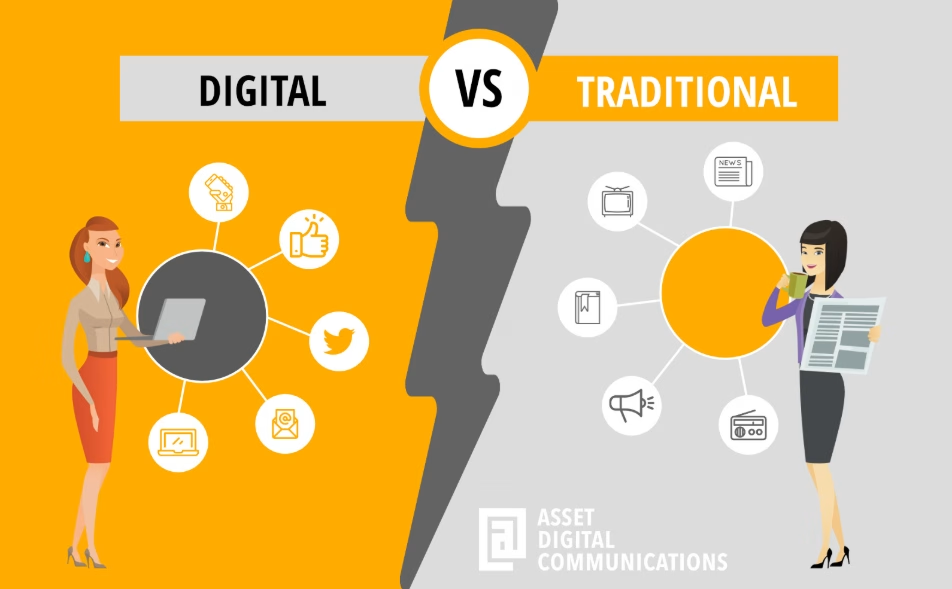
DIGITAK MARKETING In today’s business world, DM has become the backbone of brand visibility and growth. Unlike traditional marketing methods that rely on print, television, or radio,DM uses the internet and digitalTY platforms to connect with audiences. As a result, businesses can reach millions of people across the globe, often at a fraction of the cost of offline campaigns.https:
Moreover, DM is highly measurable, allowing companies to track every click, view, and interaction. Therefore, entrepreneurs, startups, and multinational corporations alike consider a necessity rather than an option.
2. Evolution of Digital Marketing
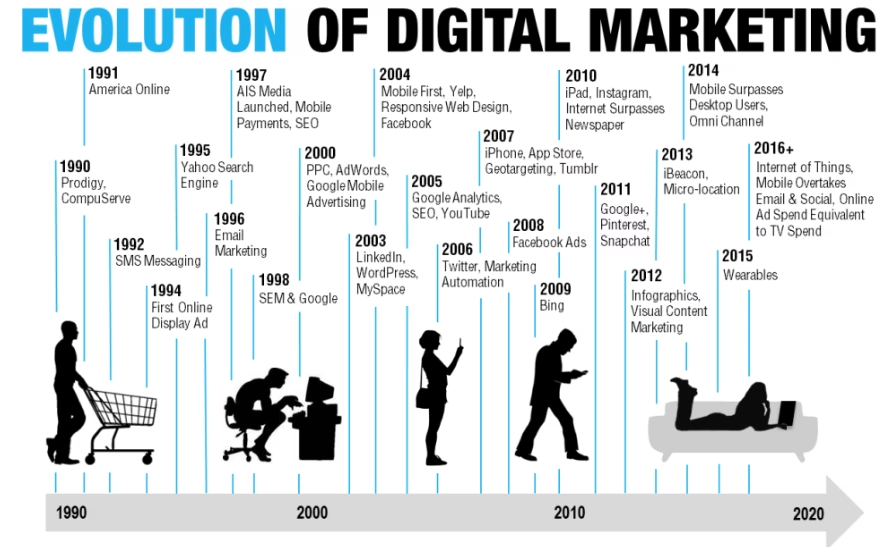
The history of DM can be traced back to the early 1990s when search engines and email first appeared. Over time, social media, mobile applications, and video platforms completely transformed how businesses engage with customers.
Furthermore, the rise of smartphones and 24/7 internet connectivity accelerated the adoption of dm strategies. Today, consumers expect instant information, personalized experiences, and interactive engagement—all of which are made possible through
3. Importance of Digital Marketing in Business
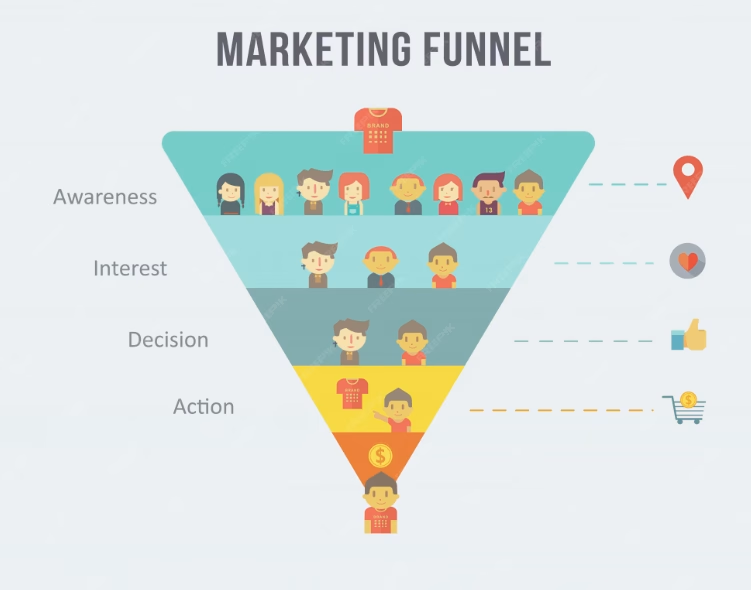
g plays a critical role in helping businesses build awareness, generate leads, and drive sales. Unlike traditional marketing channels, it provides businesses with several advantages:
- Global Reach: Brands can target audiences worldwide.
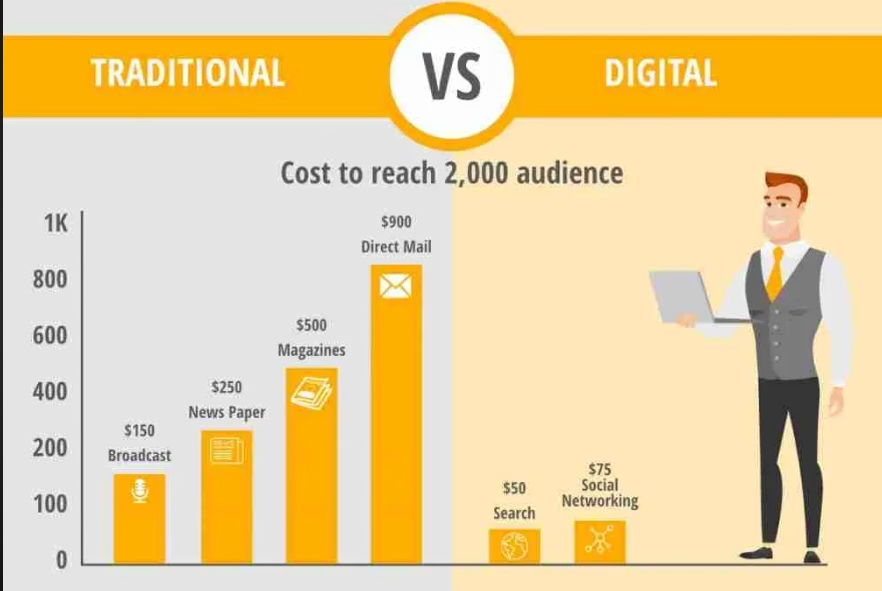
- Cost-Effectiveness: Digital ads often cost less than TV or print.
- Precise Targeting: Campaigns can be directed toward specific demographics.
- Real-Time Analytics: Businesses can measure performance instantly.
- High Engagement: Social media and interactive tools create two-way communication.
Additionally, DMallows businesses to scale campaigns quickly based on demand. As a result, it ensures that companies remain competitive in an increasingly crowded marketplace.
4. Expanding Scope of Digital Marketing
The scope of DM continues to grow rapidly. Because consumers spend more time online than ever before, businesses are shifting larger portions of their budgets into digital platforms.
Key areas of expansion include:
- Artificial Intelligence (AI) Marketing
- Voice Search Optimization
- Video Marketing & Live Streaming
- E-commerce Integration with Social Media
- Personalized Marketing Campaigns
Therefore, the future of marketing is not only digital but also intelligent, data-driven, and customer-centric.
5. Core Components of Digital Marketing
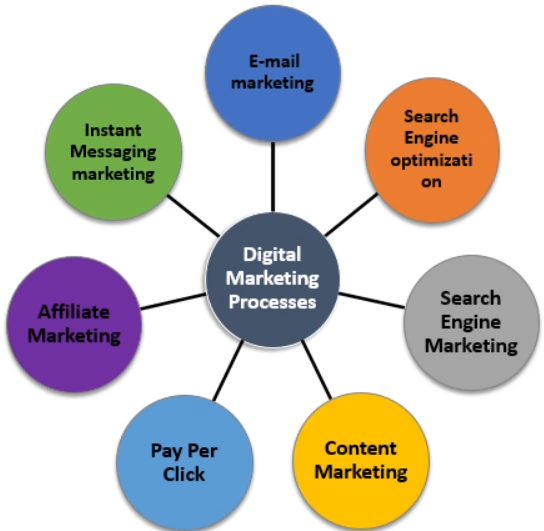
DM is made up of several interconnected components:
- Search Engine Optimization (SEO) – Optimizing websites for higher search rankings.
- Pay-Per-Click Advertising (PPC) – Paid ads on platforms like Google Ads.
- Social Media Marketing (SMM) – Building brand presence on Facebook, Instagram, LinkedIn, etc.
- Content Marketing – Creating valuable content to educate and attract users.
- Email Marketing – Nurturing leads through personalized messages.
- Affiliate & Influencer Marketing – Partnering with individuals or companies to promote products.
Because these strategies complement each other, businesses often use them together for maximum impact.
6. Benefits of Digital Marketing for Brands
The advantages of digital marketing go beyond cost savings. In fact, companies that invest consistently in digital marketing see:
- Higher conversion rates
- Increased customer loyalty
- Stronger brand awareness
- Greater audience insights through analytics
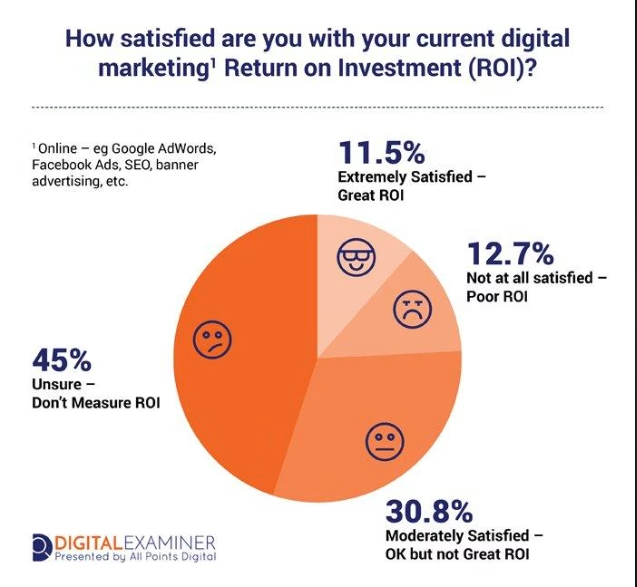
- Improved return on investment (ROI)
Moreover, digital marketing provides flexibility. Businesses can experiment with different approaches, measure results, and adjust campaigns in real time. Consequently, this adaptability ensures sustainable long-term growth.
7. Career Opportunities in Digital Marketing
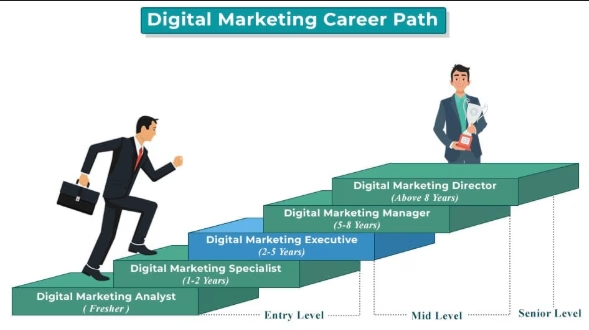
Because the demand forDM professionals is rising, career opportunities in this field are abundant. Job roles include:
- SEO Specialist
- Social Media Manager
- PPC Expert
- Content Strategist
- Data Analyst
- Email Marketing Specialist
In addition, freelance opportunities are growing, allowing professionals to work independently or build their own digital marketing agencies. Therefore, DM is not only beneficial for businesses but also offers a lucrative career path.
8. Emerging Trends Shaping Digital Marketing
Trends shaping the future include:
- AI and Chatbots: Providing 24/7 customer support.
- Voice Search: Optimizing for smart devices like Alexa and Google Home.
- Short-Form Video: TikTok and Instagram Reels dominating engagement.
- AR & VR Experiences: Virtual try-ons for e-commerce.
- Data Privacy Compliance: Adapting to GDPR and other regulations.
Furthermore, businesses that adopt these trends early gain a strong competitive edge.
9. Challenges in Digital Marketing and Solutions
Despite its benefits,DM has challenges such as:
- Rising competition
- Constantly changing algorithms
- Data privacy concerns
- Ad-blocking software
- High customer expectations
Nevertheless, companies can overcome these issues by focusing on creativity, authentic engagement, and continuous learning. Therefore, adaptability remains the key to success in digital marketing.
10. Future of Digital Marketing: Predictions
Looking ahead, DM will become even more personalized and automated. AI-driven analytics will predict consumer behavior, while immersive technologies like AR and VR will make campaigns more engaging.
Moreover, sustainability and ethical marketing will play an important role as consumers demand transparency. Therefore, businesses must align their DM strategies with evolving consumer values.
11. Conclusion
The scope of is vast and continuously evolving. From search engines to social media, from AI to automation, marketing empowers businesses to thrive in a digital-first world. Furthermore, it creates career opportunities, builds brand loyalty, and ensures measurable success.
In conclusion, DM is not just a tool—it is the future of business growth. Companies and individuals who embrace its potential will remain ahead of the curve, while those who ignore it risk falling behind.