The Reet

digital marketing
Why Everybody Wants to Learn Digital Marketing: A Complete Guide

Why Everybody Wants to Learn Digital Marketing: A Complete Guide

Why Everybody Wants to Learn Digital Marketing: A Complete Guide 1. Introduction: The Digital Shift The internet has transformed the way businesses and individuals communicate, shop, and make decisions. In this fast-paced digitally era, more and more people are eager to learn digital marketing because it has become a core skill for personal growth, career opportunities, and business success. Unlike traditional marketing methods,DM offers measurable results, global reach, and flexibility, making it one of the most sought-after skills today. 2. The Rise of Digital Marketing in the Modern World Over the last decade, digital marketing has revolutionized industries by enabling brands to connect with their audiences instantly. The popularity of smartphones, social media platforms, and e-commerce has significantly increased demand for experts who can learn digital marketing and implement strategies effectively. Consequently, businesses invest heavily in digital campaigns to remain competitive in a global marketplace. 3. Why Digital Skills Are Essential Today We live in a world where nearly every decision starts with an online search. From shopping to education, users rely on the internet for guidance. Therefore, individuals who learn digital marketing gain an edge over others because they understand how to reach customers where they spend the most time—online. Additionally, companies now prioritize digital expertise when hiring professionals, further fueling the need for these skills. 📷 Image 3: Illustration showing internet users’ global growth 4. Career Opportunities in Digital Marketing One of the main reasons people want to learn digital marketing is the sheer number of job opportunities. Businesses in every sector, from healthcare to e-commerce, need professionals who can create and manage digital campaigns. Popular career roles include: Moreover, DM careers are often remote-friendly, offering professionals the freedom to work from anywhere. 5. High Demand for Digital Marketing Experts Because businesses are shifting their marketing budgets toward digital channels, professionals who learn DM can command high salaries and growth potential. Reports show that companies increasingly value these skills over traditional marketing degrees, making digital expertise one of the most in-demand assets in the job market. 6. Entrepreneurship and Freelance Opportunities Another compelling reason to learn DM is that it empowers entrepreneurs and freelancers. Many small business owners rely on DM strategies to grow their brands. Freelancers with digital skills can work independently, offering services like content writing, SEO, or social media management to global clients. As a result,DM provides flexibility and financial independence. 7. Digital Marketing for Business Owners Business owners are also eager to learn digital marketing because it helps them take control of their brand’s online reputation. Instead of outsourcing every marketing effort, entrepreneurs who understand DMcan create effective campaigns, engage with customers, and measure performance in real time. This level of control and insight was unimaginable in traditional marketing. 8. The Role of Digital Marketing in Education and Upskilling Educational institutions and online learning platforms have recognized the growing demand for digital skills. As a result, thousands of affordable courses and certifications are available to help professionals learn DMat their own pace. Platforms like Coursera, Udemy, and LinkedIn Learning have made this knowledge accessible to students, graduates, and professionals alike. 9. The Power of Digital Marketing in Personal Branding In today’s connected world, personal branding is as important as corporate branding. Influencers, coaches, and professionals are eager to learn DMbecause it enables them to grow their online presence and create opportunities. Platforms like Instagram, YouTube, and LinkedIn allow individuals to showcase expertise, attract followers, and monetize content through digital strategies. 10. Emerging Trends Driving the Interest The world of DM is constantly evolving, and this innovation keeps learners engaged. Some key trends attracting people to learn DM include: Because these innovations are reshaping industries, learning DM is becoming a must for future-proof careers. 11. Challenges Faced While Learning Although there are plenty of reasons to learnDM learners often face challenges such as rapidly changing algorithms, overwhelming tools, and competition. However, these obstacles can be overcome through consistent practice, continuous learning, and staying updated with the latest industry news. 12. How Digital Marketing Benefits Every Industry From healthcare to real estate, education to entertainment, every industry now relies on DM. Professionals who learn DM can contribute to growth across diverse sectors. This universal applicability makes it one of the most versatile skills to acquire. 13. Future of Learning Digital Marketing The future looks promising as companies increasingly adopt automation, AI-driven analytics, and advanced targeting methods. Thus, those who learn DM today will lead tomorrow’s digital-first world. Additionally, certifications, workshops, and bootcamps will continue to make these skills accessible to a broader audience. 14. Conclusion: Why You Should Start Now In conclusion, the desire to learn digital marketing is not just a trend; it is a necessity for anyone who wants to thrive in today’s competitive market. Whether you are a student, professional, business owner, or aspiring influencer, DM opens countless opportunities for growth. Therefore, investing time in learning these skills will pay off in terms of career advancement, business success, and financial independence.


scope inng digital marketig
Scope on digital marketing

scope on digital marketing

Scope of Digital Marketing: A Complete Guide 1. Digital Marketing DIGITAK MARKETING In today’s business world, DM has become the backbone of brand visibility and growth. Unlike traditional marketing methods that rely on print, television, or radio,DM uses the internet and digitalTY platforms to connect with audiences. As a result, businesses can reach millions of people across the globe, often at a fraction of the cost of offline campaigns.https: Moreover, DM is highly measurable, allowing companies to track every click, view, and interaction. Therefore, entrepreneurs, startups, and multinational corporations alike consider a necessity rather than an option. 2. Evolution of Digital Marketing The history of DM can be traced back to the early 1990s when search engines and email first appeared. Over time, social media, mobile applications, and video platforms completely transformed how businesses engage with customers. Furthermore, the rise of smartphones and 24/7 internet connectivity accelerated the adoption of dm strategies. Today, consumers expect instant information, personalized experiences, and interactive engagement—all of which are made possible through 3. Importance of Digital Marketing in Business g plays a critical role in helping businesses build awareness, generate leads, and drive sales. Unlike traditional marketing channels, it provides businesses with several advantages: Additionally, DMallows businesses to scale campaigns quickly based on demand. As a result, it ensures that companies remain competitive in an increasingly crowded marketplace. 4. Expanding Scope of Digital Marketing The scope of DM continues to grow rapidly. Because consumers spend more time online than ever before, businesses are shifting larger portions of their budgets into digital platforms. Key areas of expansion include: Therefore, the future of marketing is not only digital but also intelligent, data-driven, and customer-centric. 5. Core Components of Digital Marketing DM is made up of several interconnected components: Because these strategies complement each other, businesses often use them together for maximum impact. 6. Benefits of Digital Marketing for Brands The advantages of digital marketing go beyond cost savings. In fact, companies that invest consistently in digital marketing see: Moreover, digital marketing provides flexibility. Businesses can experiment with different approaches, measure results, and adjust campaigns in real time. Consequently, this adaptability ensures sustainable long-term growth. 7. Career Opportunities in Digital Marketing Because the demand forDM professionals is rising, career opportunities in this field are abundant. Job roles include: In addition, freelance opportunities are growing, allowing professionals to work independently or build their own digital marketing agencies. Therefore, DM is not only beneficial for businesses but also offers a lucrative career path. 8. Emerging Trends Shaping Digital Marketing Trends shaping the future include: Furthermore, businesses that adopt these trends early gain a strong competitive edge. 9. Challenges in Digital Marketing and Solutions Despite its benefits,DM has challenges such as: Nevertheless, companies can overcome these issues by focusing on creativity, authentic engagement, and continuous learning. Therefore, adaptability remains the key to success in digital marketing. 10. Future of Digital Marketing: Predictions Looking ahead, DM will become even more personalized and automated. AI-driven analytics will predict consumer behavior, while immersive technologies like AR and VR will make campaigns more engaging. Moreover, sustainability and ethical marketing will play an important role as consumers demand transparency. Therefore, businesses must align their DM strategies with evolving consumer values. 11. Conclusion The scope of is vast and continuously evolving. From search engines to social media, from AI to automation, marketing empowers businesses to thrive in a digital-first world. Furthermore, it creates career opportunities, builds brand loyalty, and ensures measurable success. In conclusion, DM is not just a tool—it is the future of business growth. Companies and individuals who embrace its potential will remain ahead of the curve, while those who ignore it risk falling behind.

Screenshot 2025 07 22 121422 1024x564
Uncategorized

“How to Choose the Best Career” Doctor engineering Lawyer

“How to Choose the Best Career” Doctor engineering Lawyer Doctor engineering LawyerChoosing the best career is one of the most crucial decisions in life. After completing school or college, especially after the 12th standard, students often feel overwhelmed by the numerous career options available. Whether you are dreaming of becoming a doctor, an engineer, or aiming for a lower government job, it’s essential to evaluate your interests, skills, and goals to make a wise decision. In this detailed guide, we’ll explore various aspects of choosing the right career, highlight popular career paths, and provide insights to help you make an informed choice. 1. Understand Your Interests and Strengths First and foremost, before considering any specific field like engineering or government jobs, start by understanding what you enjoy doing and where your talents lie. For example, are you good at science? Do you love helping people? Are you interested in designing, writing, or numbers? Moreover, it’s important to match your natural abilities with potential careers. In addition, consider asking your teachers or mentors for feedback on your strengths. Career Tip: Take personality and career assessment tests available online. These tests not only help identify your interests but also reveal your values and aptitudes, thereby recommending matching careers. Furthermore, career assessments can highlight areas you may not have considered previously. In other words, they expand your perspective and offer clarity. 2. Consider Career Options After 12th After completing 12th grade, students are generally divided into three streams: Science, Commerce, and Arts. Each stream, however, opens up a variety of career paths. Therefore, it’s important to explore options accordingly. FOR SCIENCE STREAM (PCBM): Notably, students in the science stream can choose both medical and non-medical career options. In fact, this flexibility is a major advantage. FOR COMMERCE STREAM: In contrast to science, commerce students focus more on finance, management, and business. As a result, they often pursue high-paying roles in the corporate world. FOR HUMANITIES / ARTS STREAM: On the other hand, arts students enjoy a diverse range of creative and service-oriented careers. Thus, if you have strong communication skills or creative talents, this stream can be ideal. 3. Doctor: A Respected and Rewarding Career Becoming a doctor is one of the most prestigious and noble professions. It not only requires a deep interest in biology but also demands a passion for helping others and years of dedication. Steps to Become a Doctor: Consequently, the journey to becoming a doctor is long and demanding. However, it is also fulfilling and full of purpose. Pros: Cons: Still, many students feel that the rewards far outweigh the challenges. 4. Engineering: A Versatile Career Choice Engineering is one of the most sought-after careers in India. From building skyscrapers to developing apps, engineers shape the future. Top Engineering Branches: Steps to Become an Engineer: Career Opportunities: 5. Lower Government Jobs: Stability and Security If you’re looking for a stable and less competitive career, lower government jobs are a good option. These jobs require minimal qualifications and offer decent pay with benefits. Examples of Lower Govt Jobs: Qualification Required: Benefits: 6. Explore Government Exams for Secure Careers Government jobs are always in high demand due to job security, perks, and work-life balance. Popular Government Exams: These exams vary in difficulty, eligibility, and subject requirements. Choose one based on your educational background and interest. 7. Compare Salary and Growth in Different Careers When choosing the best career, consider the long-term salary growth, promotion opportunities, and job satisfaction. Career Option Starting Salary (Monthly) Long-Term Growth Doctor ₹30,000 – ₹80,000 ₹2,00,000+ (Specialists) Engineer ₹25,000 – ₹70,000 ₹1,50,000+ Lower Govt Job ₹20,000 – ₹40,000 ₹70,000+ (with experience) Banking Officer ₹35,000 – ₹70,000 ₹1,00,000+ Civil Services ₹56,000 – ₹2,00,000 Excellent Growth 8. Look for Emerging Career Opportunities Apart from traditional paths like doctor, engineering, and government jobs, modern fields are emerging rapidly. Trending Career Paths: These fields are ideal for students interested in technology, creativity, and entrepreneurship. 9. Seek Guidance from Experts and Mentors Talk to teachers, career counselors, or professionals working in your areas of interest. Real-life experiences and expert advice can provide a realistic picture of what a job truly involves. What to Ask a Mentor: 10. Pursue Internships and Practical Exposure Hands-on experience helps you discover what suits you. Join internships, workshops, or volunteering programs to test your interest in fields like medicine, engineering, law, or the public sector. For example, shadowing a doctor at a local clinic or working as an intern at an engineering firm will give you real-world insights. 11. Match Your Career with Lifestyle Goals Do you want a 9-to-5 job or a flexible schedule? Is location, travel, or remote work important to you? For example: Matching your career to your lifestyle preferences ensures long-term satisfaction. 12. Plan Your Education Path Accordingly Once you’ve selected a potential career, choose the right course and college. Reputation, placements, and course content matter. Tips: Conclusion: Make a Smart Career Decision The best career is one that aligns with your passion, strengths, and long-term goals. Whether it’s becoming a doctor, an engineer, or applying for lower govt jobs, take time to research, evaluate all factors, and choose wisely. Summary Checklist:

Purple And Orange Indian Clothing Youtube Thumbnail 20250717 222826 0000 1024x576
Uncategorized

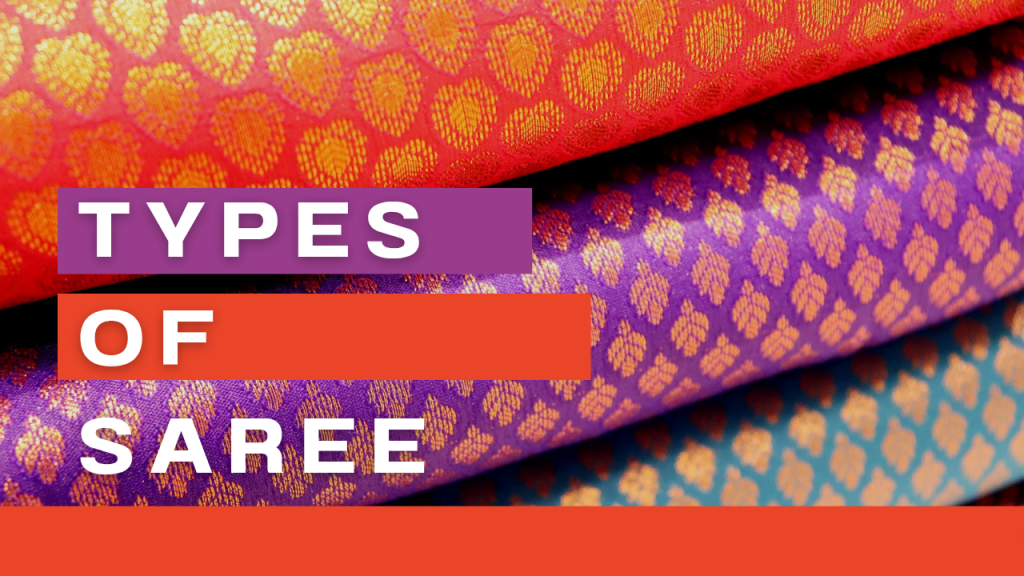
Types Of indian saree

Types of Saree: A Complete Guide to Traditional Elegance India, a land of cultural richness and diversity, is home to one of the most graceful garments in the world — the saree. With every region having its own style, weave, and story, sarees represent not just clothing but a legacy.In this article, we’ll explore the various types of saree found across India, focusing on popular and iconic varieties like Banarsi Saree, Bhandhej Saree, and many more. Whether you’re a saree enthusiast, a fashion lover, or a bride-to-be, this guide will help you understand the beauty of Indian sarees. 1. What is a Saree? A saree (or sari) is a traditional Indian outfit worn by women, consisting of a long unstitched piece of fabric, usually ranging from 5 to 9 yards, draped elegantly around the body. It is typically paired with a blouse (choli) and a petticoat (underskirt). Interestingly, the art of draping a saree varies by region and occasion, making it a versatile and timeless garment. In other words, a saree is not just a piece of clothing — it’s an expression of culture and individuality. 2. Banarsi Saree: A Regal Weave from Varanasi One of the most luxurious and celebrated types of saree in India is the Banarsi Saree. Originating from the city of Varanasi, this saree is known for its rich silk fabric, intricate zari work (gold or silver thread), and Mughal-inspired motifs. Moreover, Banarsi Sarees have stood the test of time and are still a favorite for traditional events. Key Features of Banarsi Saree: As a result, Banarsi Sarees are a top choice for Indian brides and a must-have in any ethnic wardrobe. Not only do they elevate your look, but they also represent royal elegance and cultural pride. 3. Bhandhej Saree: The Art of Tie and Dye from Rajasthan & Gujarat Another beloved type of saree is the Bhandhej Saree, also known as Bandhani. This saree comes from Rajasthan and Gujarat and features colorful tie-dye patterns made by plucking the cloth and tying it tightly with thread before dyeing.banarsi saree Unique Traits of Bhandhej Saree: A Bhandhej Saree adds a pop of color and tradition to your wardrobe, ideal for both everyday wear and festive gatherings. 4. Kanjeevaram Saree: South India’s Timeless Treasure Kanjeevaram sarees hail from Tamil Nadu and are famous for their durability, bright colors, and bold golden borders. Woven with pure mulberry silk, they are often adorned with temple designs, checks, stripes, and floral buttas. Why Choose a Kanjeevaram Saree? 5. Chanderi Saree: Light and Elegant Weave from Madhya Pradesh Chanderi sarees are known for their sheer texture, lightweight feel, and subtle shimmer. They are made using silk, cotton, or a mix of both, with delicate motifs woven into the fabric. saree Highlights: 6. Paithani Saree: Maharashtrian Marvel Originating from Maharashtra, the Paithani Saree is woven with fine silk and metallic threads. These sarees are famous for their peacock and lotus motifs, especially on the pallu (end part of the saree). Signature Features: 7. Patola Saree: The Double Ikat Delight from Gujarat The Patola Saree is a luxury textile from Patan, Gujarat. Made using a double ikat weaving technique, but this saree is extremely time-consuming to produce and known for its vibrant geometric patterns. Why It’s Special: 8 Benefits of Wearing Tussar Silk Saree: 9. Nauvari Saree: The Warrior Drape of Maharashtra Features: 10. Cotton Sarees: Comfort Meets Culture in indian saree Cotton sarees are ideal for hot and humid climates and perfect for daily wear. Available in a like wide range of regional styles like Bengal cotton, Sambalpuri cotton, and Chettinad cotton, they are both affordable and elegant. Available in a wide range of regional styles like Bengal cotton, Sambalpuri cotton, and Chettinad cotton, they are both affordable and elegant. Why Cotton Sarees Are Popular: 11. Georgette and Chiffon Sarees: Lightweight Modern Glam 11. Georgette and Chiffon Sarees: Lightweight Modern Glam If you prefer a modern twist to the traditional saree, georgette and chiffon sarees are a great choice. They not only offer comfort, but also style. Why Choose These Sarees? Additionally, these sarees are perfect for office parties, family dinners, and social events. Unlike heavier sarees such as the Banarsi, they are much easier to manage and carry. Therefore, they are a smart pick for women who want style with ease. 12. Sambalpuri Saree: Odisha’s Handwoven Beauty in india Another wonderful addition to India’s traditional saree collection is the Sambalpuri Saree from Odisha. This saree features beautiful handwoven patterns created using the ikat technique, which makes each piece unique. As we move eastward, we come across the Sambalpuri Saree — a proud symbol of Odisha’s rich weaving tradition. Moreover, the bold colors and symbolic motifs make it stand out. In addition to Banarsi and Bhandhej sarees, Sambalpuri adds a distinct cultural flavor. Because of its craftsmanship, this saree is admired by women who value tradition with a touch of artistry. 13. Kota Doria Saree: Feather-Light from Rajasthan Next on our journey, we reach Rajasthan, where Kota Doria sarees are woven. These sarees are light, soft, and transparent, making them perfect for India’s warm climate. They are made from a mix of cotton and silk, and the unique “khats” or square patterns give them a signature look. Furthermore, they feel cool on the skin, which is why they’re perfect for summer. Best For: Unlike heavier sarees, Kota Doria is simple and practical. Thus, it is ideal for working women or anyone who prefers comfort with grace. Each Saree Tells a Story Every saree mentioned in this guide tells a unique story. ply appreciating Indian fashion, sarees offer endless beauty and variety. By understanding each type, you’ll be better able to choose what suits your style and needs. Conclusion: Which Should You Choose saree in india? The world of sarees is rich, diverse, and timeless. Ultimately, the choice depends on your personality, the occasion, and how you wish to express yourself. So, explore, enjoy, and embrace the timeless magic of Indian sarees.

Uncategorized

Types Of Saree

Types of Saree: A Complete Guide to Traditional Elegance India, a land of cultural richness and diversity, is home to one of the most graceful garments in the world — the saree. With every region having its own style, weave, and story, sarees represent not just clothing but a legacy. In this article, we’ll explore the various types of saree found across India, focusing on popular and iconic varieties like Banarsi Saree, Bhandhej Saree, and many more. Whether you’re a saree enthusiast, a fashion lover, or a bride-to-be, this guide will help you understand the beauty of Indian sarees. 1. What is a Saree? A saree (or sari) is a traditional Indian outfit worn by women, consisting of a long unstitched piece of fabric, usually ranging from 5 to 9 yards, draped elegantly around the body. It is typically paired with a blouse (choli) and a petticoat (underskirt). The art of draping a saree varies by region and occasion, making it a versatile and timeless garment. 2. Banarsi Saree: A Regal Weave from Varanasi One of the most luxurious and celebrated types of saree in India is the Banarsi Saree. Originating from the city of Varanasi, this saree is known for its rich silk fabric, intricate zari work (gold or silver thread), and Mughal-inspired motifs. Key Features of Banarsi Saree: Banarsi Sarees are a top choice for Indian brides and a must-have in any ethnic wardrobe. 3. Bhandhej Saree: The Art of Tie and Dye from Rajasthan & Gujarat Another beloved type of saree is the Bhandhej Saree, also known as Bandhani. This saree comes from Rajasthan and Gujarat and features colorful tie-dye patterns made by plucking the cloth and tying it tightly with thread before dyeing. Unique Traits of Bhandhej Saree: A Bhandhej Saree adds a pop of color and tradition to your wardrobe, ideal for both everyday wear and festive gatherings. 4. Kanjeevaram Saree: South India’s Timeless Treasure Kanjeevaram sarees hail from Tamil Nadu and are famous for their durability, bright colors, and bold golden borders. Woven with pure mulberry silk, they are often adorned with temple designs, checks, stripes, and floral buttas. Why Choose a Kanjeevaram Saree? 5. Chanderi Saree: Light and Elegant Weave from Madhya Pradesh Chanderi sarees are known for their sheer texture, lightweight feel, and subtle shimmer. They are made using silk, cotton, or a mix of both, with delicate motifs woven into the fabric. Highlights: 6. Paithani Saree: Maharashtrian Marvel Originating from Maharashtra, the Paithani Saree is woven with fine silk and metallic threads. These sarees are famous for their peacock and lotus motifs, especially on the pallu (end part of the saree). Signature Features: 7. Patola Saree: The Double Ikat Delight from Gujarat The Patola Saree is a luxury textile from Patan, Gujarat. Made using a double ikat weaving technique, this saree is extremely time-consuming to produce and known for its vibrant geometric patterns. Why It’s Special: 8 Benefits of Wearing Tussar Silk Saree: 9. Nauvari Saree: The Warrior Drape of Maharashtra Features: 10. Cotton Sarees: Comfort Meets Culture Cotton sarees are ideal for hot and humid climates and perfect for daily wear. Available in a wide range of regional styles like Bengal cotton, Sambalpuri cotton, and Chettinad cotton, they are both affordable and elegant. Available in a wide range of regional styles like Bengal cotton, Sambalpuri cotton, and Chettinad cotton, they are both affordable and elegant. Why Cotton Sarees Are Popular: 11. Georgette and Chiffon Sarees: Lightweight Modern Glam For those who prefer a contemporary twist to the traditional saree, georgette and chiffon sarees offer a perfect blend of comfort and style. Pros of These Sarees: 12. Sambalpuri Saree: Odisha’s Handwoven Beauty The Sambalpuri saree is a traditional handwoven saree from Odisha featuring unique motifs and designs made using the ikat technique. 13. Kota Doria Saree: Feather-Light from Rajasthan Kota Doria sarees are made in Kota, Rajasthan, and are known for their transparent and lightweight feel. These sarees are a blend of cotton and silk with fine square patterns called “khats.” Ideal For: Each type of saree mentioned in this guide carries its unique craftsmanship and cultural importance. While some are suited for grand occasions like weddings and festivals, others are perfect for daily wear and formal meetings. So, whether you are building your trousseau, updating your wardrobe, or simply appreciating Indian textiles, explore these beautiful saree varieties and embrace the elegance they bring. Conclusion: Which Saree Should You Choose? The world of sarees is vast, vibrant, and deeply rooted in Indian culture. Whether you’re drawn to the royal charm of the Banarsi Saree, the colorful beauty of the Bhandhej Saree, or the regal appeal of a Kanjeevaram or Paithani, https://www.thereet.info/wp-admin/https://www.thereet.info/wp-admin/there’s a saree for every personality and occasion. Each type of saree mentioned in this guide carries its unique craftsmanship and cultural importance. So, whether you are building you

Scroll to Top